Emergency Preparedness: Why Every Home Should Have a Flashlight
In an era of advanced technology, it’s easy to overlook simple tools that can mean the difference between safety and chaos during emergencies. Among these essentials, a flashlight stands out as yet critical item for every household. From power outages to natural disasters, having a reliable flashlight is not just a convenience—it’s a lifeline. This article explores why emergency preparedness demands a flashlight in every home, the key features to look for, and how to integrate it into your safety plan.
The Unpredictability of Emergencies: Why Lighting Matters
Emergencies rarely announce themselves. A severe storm might knock out electricity, leaving your home in complete darkness. A gas leak could require turning off power sources, making battery-operated lighting essential. Even minor incidents like a blown fuse at night can create hazardous situations if you can’t see obstacles, trip hazards, or emergency exits. In these moments, a flashlight provides immediate visibility, reducing the risk of accidents such as falls or collisions with furniture.
Natural disasters, such as earthquakes or hurricanes, often disrupt power grids for hours or days. During these times, flashlights become indispensable for navigating debris, checking on family members, or signaling for help. For example, after an earthquake, structural damage may block windows, plunging rooms into darkness. A flashlight allows you to assess injuries, locate emergency supplies, or find a safe evacuation route. In wildfire scenarios, smoke can obscure daylight, making a flashlight vital for moving through thick smoke or at night when fleeing danger.
Beyond Power Outages: Unexpected Uses of Flashlights
Flashlights are not limited to lighting dark spaces. Their versatility makes them valuable in a range of emergency situations. Many modern flashlights include features like strobe modes, which can signal for help by emitting bright, rhythmic flashes—visible from miles away. This is especially crucial in remote areas or during disasters where cell service is down. The strobe function can also disorient intruders, providing a momentary advantage in home security emergencies.
Additionally, some flashlights come with built-in tools such as glass breakers or seatbelt cutters, designed for car emergencies. While these features are more specialized, they highlight the flashlight’s role as a multi-purpose tool. Even basic models can assist in minor tasks like fixing a broken pipe in a dark basement or reading medication labels during a blackout, ensuring you can address small issues before they escalate.
Choosing the Right Flashlight: Key Features for Reliability
Not all flashlights are created equal. When selecting one for emergency preparedness, prioritize reliability, durability, and battery life. Here are essential features to consider:
- Brightness (Lumens):Aim for a flashlight with at least 100 lumens for general use, but higher lumens (300–1000+) are better for outdoor or search-and-rescue scenarios. Look for adjustable brightness settings to conserve battery life when full power isn’t needed.
- Battery Type:Rechargeable flashlights (USB or solar-powered) are eco-friendly and cost-effective, but ensure they hold a charge for long periods. Disposable battery-powered models (AA or AAA) are reliable backups, as you can store extra batteries. Avoid flashlights dependent on rare battery types, which may be hard to replace during emergencies.
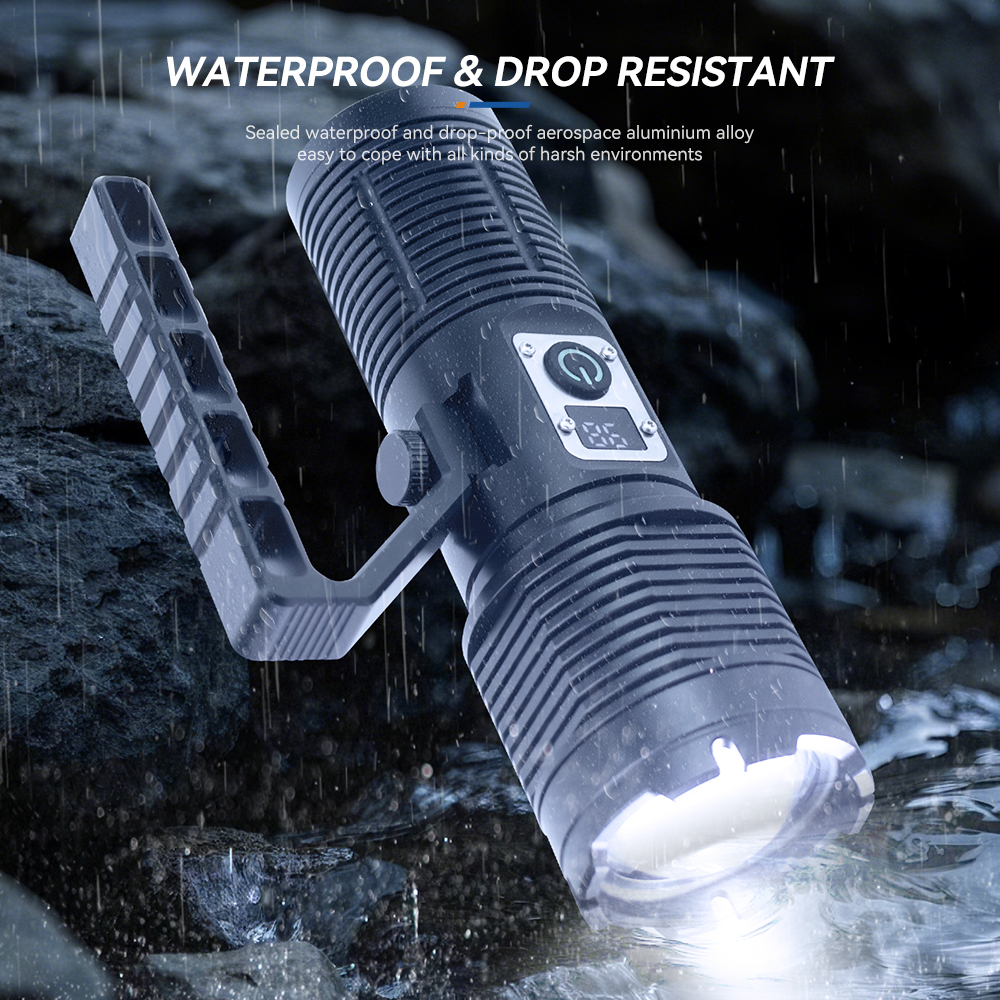
- Durability:Opt for water-resistant (IPX4 or higher) and shockproof models. Emergencies are messy, and a flashlight that can withstand drops, rain, or extreme temperatures will outlast fragile alternatives.
- Size and Weight:Balance portability with functionality. A compact flashlight is easy to store in a go-bag or drawer, while a larger, heavier model may offer longer battery life and brighter light for home use.
- Runtime:Check how long the flashlight lasts on a single charge or set of batteries. Some models include low-battery indicators, preventing unexpected power loss.
Integrating Flashlights into Your Emergency Plan
A flashlight is only useful if it’s accessible when needed. Create a designated emergency kit that includes at least one flashlight per family member, along with extra batteries or a portable charger. Store kits in easily reachable locations, such as near entry doors, in bedrooms, or in vehicles. Label storage areas clearly so everyone in the household knows where to find them.
Regular maintenance is equally important. Test flashlights every 3–6 months to ensure they work, and replace batteries annually (even if they haven’t been used, as batteries can leak over time). For rechargeable models, top off their charge monthly to maintain battery health. Teach children how to use flashlights safely, including how to switch modes and replace batteries, so they can help during emergencies.
The Cost of Being Unprepared
The consequences of not having a flashlight during an emergency can be severe. In 2021, the U.S. experienced 18 weather-related disasters costing over $1 billion each, according to NOAA. Power outages during these events left millions in the dark, increasing the risk of injuries from falls, carbon monoxide poisoning (from improper use of generators), and delayed emergency response due to poor visibility. A flashlight, which costs as little as $10–$20, is a small investment compared to the potential costs of medical bills or property damage from preventable accidents.
Conclusion: A Simple Step Toward Safety
Emergency preparedness is about anticipating the unexpected and equipping yourself with tools that make a difference. A flashlight is a fundamental part of this preparedness, offering visibility, versatility, and security when you need it most. Whether facing a power outage, natural disaster, or unforeseen crisis, a reliable flashlight ensures you can navigate safely, communicate for help, and address emergencies with confidence.
Don’t wait for the next blackout or storm to realize its importance. Today, take a step toward protecting your family by adding a high-quality flashlight to your emergency kit. It’s a small action that could save lives tomorrow.
Stay prepared, stay safe, and never underestimate the power of light in the dark.
2*AAA Battery-Powered Pen Light
Conquer the Night: Meet the ONLYSTAR – The Last Headlamp You'll Ever Need!