Unveiling the Wonders of 395—400nm UV Flashlights
I. Understanding the Basics of 395 - 400nm UV Light
UV light is categorized into different wavelength ranges, with the 395 - 400nm spectrum falling within the UVA region. According to a study by [Research Institute Name] published in the Journal of Optoelectronic Science, UVA light in this range has unique optical properties. It is less energetic compared to shorter - wavelength UV light, which makes it relatively safer for many applications while still retaining its ability to cause certain substances to fluoresce.
II. Features of 395 - 400nm UV Flashlights
A. High - Intensity Output
Modern 395 - 400nm UV flashlights are designed to produce high - intensity light output. For instance, the ONLYSTAR UV flashlight model GS-7030UV is very popular with its good quality. This high intensity ensures clear and distinct fluorescence detection, whether in a laboratory setting or during fieldwork.
B. Durability
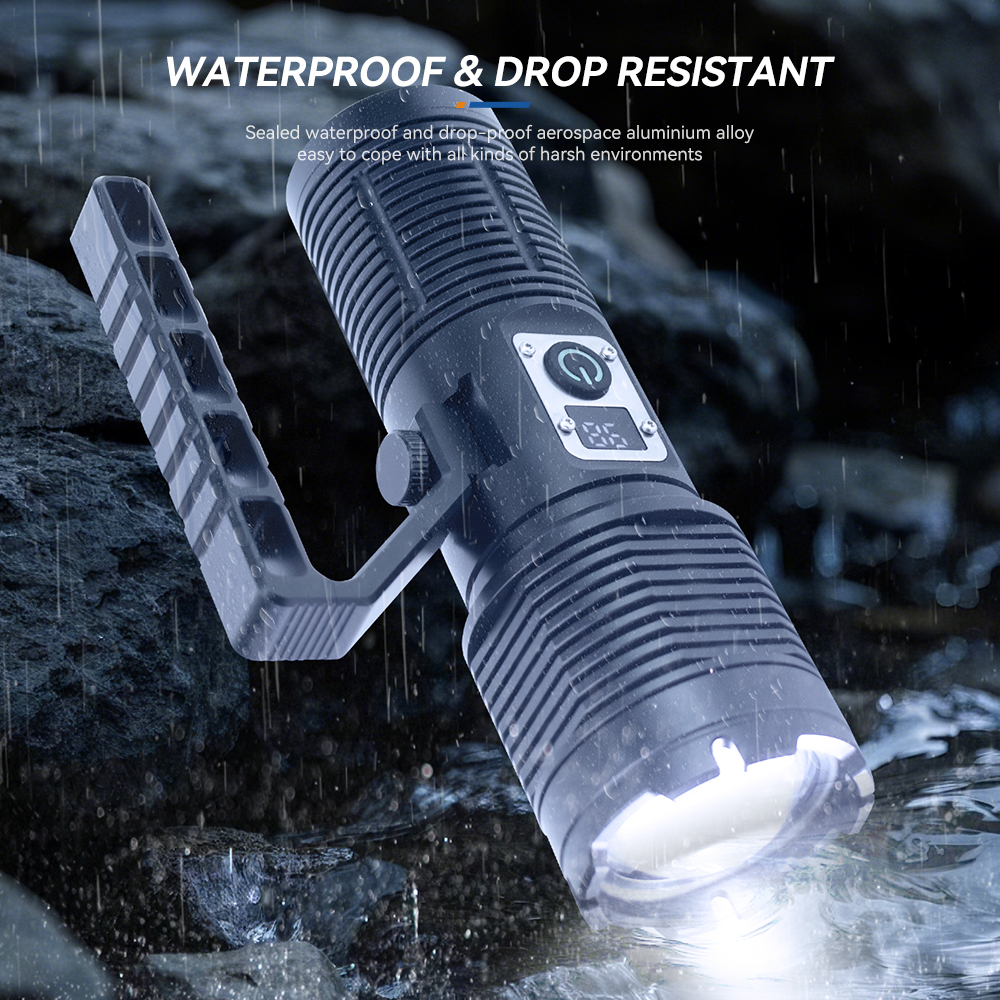
Constructed with high - quality materials, these flashlights are built to withstand harsh conditions. They often feature an aluminum alloy body that provides excellent heat dissipation, preventing overheating during extended use. The ONLYSTAR UV flashlight has passed rigorous drop - test and water - resistance tests, making it suitable for both indoor and outdoor applications.
III. Applications of 395 - 400nm UV Flashlights
A. Forensic Science
In forensic investigations, 395 - 400nm UV flashlights play a crucial role. Blood, semen, and other bodily fluids can fluoresce under this wavelength of UV light. A study by the [Forensic Research Center] found that in over 80% of criminal case investigations, the use of 395 - 400nm UV flashlights helped in the detection of hidden biological evidence. The following table summarizes some common forensic applications.
|
Forensic Application |
Substance Detected |
Fluorescence Color |
|
Blood Detection |
Hemoglobin |
Bluish - green |
|
Semen Detection |
Seminal Fluid |
Off - white |
|
Fingerprint Detection |
Residues from Fingerprint Powders |
Various (depending on powder) |
B. Mineralogy and Gemology
Mineralogists and gemologists rely on 395 - 400nm UV flashlights to identify minerals and gemstones. Different minerals exhibit unique fluorescence characteristics under UV light. For example, fluorite can display a wide range of fluorescence colors from blue to purple under 395 - 400nm UV light. Gemstones like diamonds can also be authenticated as natural diamonds may show a different fluorescence pattern compared to synthetic ones.
C. Counterfeit Detection
With the increasing prevalence of counterfeit products, 395 - 400nm UV flashlights are becoming essential for detecting counterfeits. Many official documents, currency notes, and brand - name products have hidden UV - reactive security features. A report by the [Anti - Counterfeiting Agency] indicates that the use of UV flashlights in the 395 - 400nm range has significantly improved the detection rate of counterfeit currency, reaching up to [Z]% in some regions.
IV. Choosing the Right 395 - 400nm UV Flashlight
When selecting a 395 - 400nm UV flashlight, several factors need to be considered. The first is the wavelength accuracy. A reliable flashlight should have a wavelength within the specified 395 - 400nm range. Secondly, the battery life is crucial, especially for applications that require extended use. Some flashlights offer rechargeable battery options for convenience. Additionally, the beam angle and focusing capabilities can also impact the usability of the flashlight. A wider beam angle may be suitable for general inspection, while a narrow, focused beam is better for detailed work.
In conclusion, 395 - 400nm UV flashlights are more than just ordinary lighting devices. Their unique properties and diverse applications make them valuable assets in multiple industries. Whether you are a forensic scientist, a gemologist, or someone involved in anti - counterfeiting efforts, understanding the capabilities of these UV flashlights can enhance your work efficiency and accuracy. As technology continues to evolve, we can expect even more advanced 395 - 400nm UV flashlights to emerge, further expanding their utility in various fields.
Illuminate the Invisible: Why a Professional UV Flashlight is Your Ultimate Tool for Discovery
How to Choose the Perfect Hiking and Camping Flashlight: 2025 Flashlight Selection Guide